Sometimes it is more convenient, more efficient, and more secure, to limit FHIR Searches per pre-defined "Lists" of Resources.

Since v2025.1 we support several List-related features in our FHIR Server.

I will highlight these here, and provide some samples.

6 2
1 58

Why do these clauses affect SQL performance?

select ID from some_table where row_status in ('I','U') order by ID limit 5 - makes the query infinite
select top 10 ID from some_table where row_status in ('I','U') order by ID - the same
select ID from some_table where row_status in ('I','U') order by ID - is fast

Actually there are no rows in the table having row_status 'I' or 'U'.

I asked Gemini and it recommended me rewrite the query as

0 13
0 84

I have a Postgres table which should be migrated to IRIS. The table has a computed column, like:

CREATE TABLE example_table (
    id VARCHAR(10) PRIMARY KEY,
    normalized_id VARCHAR(10) GENERATED ALWAYS AS (LPAD(id, 10, '0')) STORED
);

IRIS also has the LPAD function but I can't figure out how to achieve the same result using pure SQL DDL.

Tried this:

0 7
0 78

Embeddedpy-bridge: A Toolkit for Embedded Python

Overview

Embedded Python is a game-changer for InterSystems IRIS, offering access to the vast Python ecosystem directly within the database. However, bridging the gap between ObjectScript and Python can sometimes feel like translating between two different worlds.

2 1
2 62

Hi Everyone!

We have an existing process (running in FIFO order), all business hosts having pool size=1.

Currently we are reading records from a file (one record at a time) then that record goes to business process for further processing and finally through the business operation. As of now we are using synchronous call in our existing code. Before processing the last record we are using hang of 50 seconds because we need to initiate a batch once the processing of last record is finished.

0 5
0 76

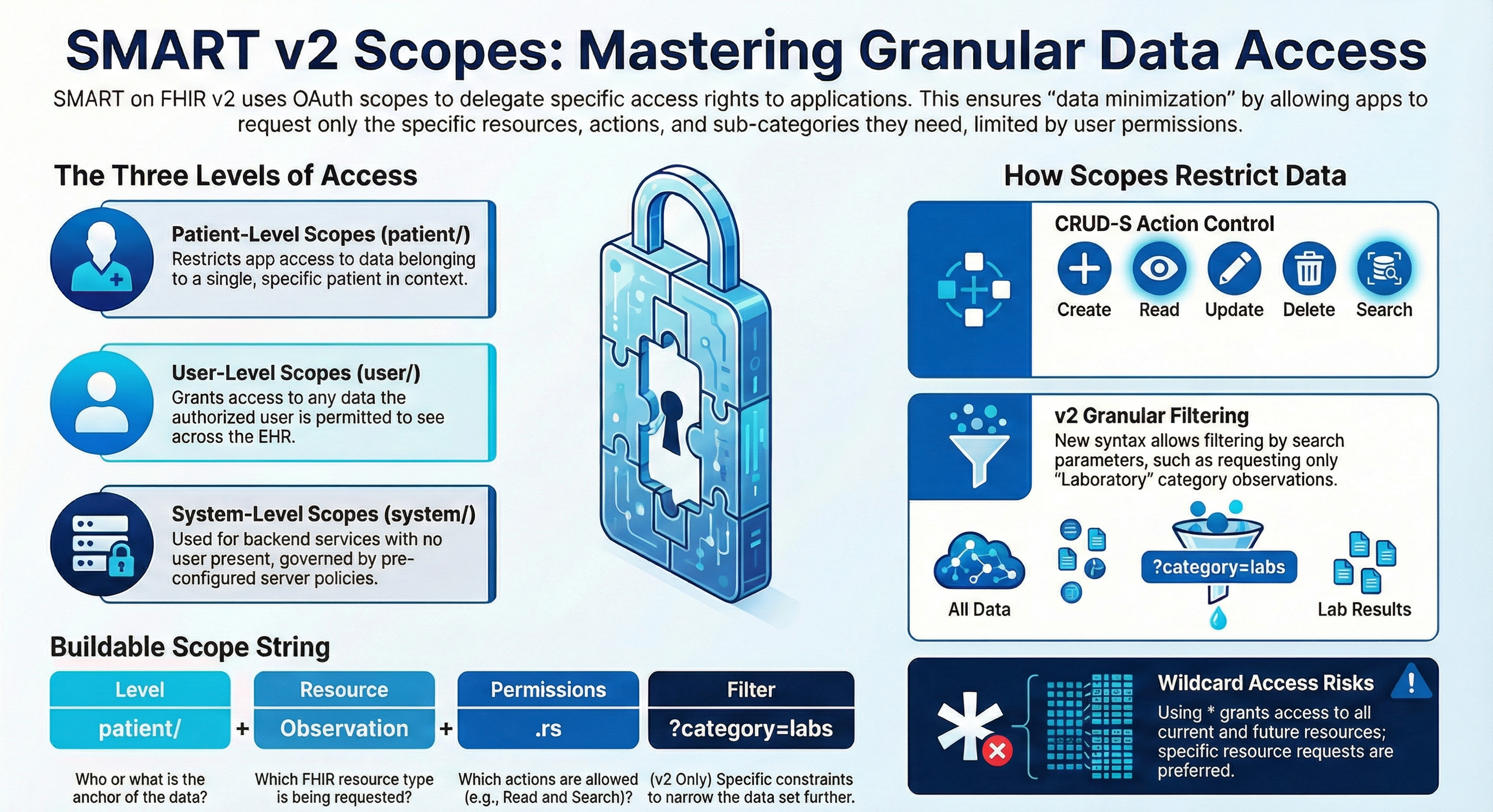
What is a FHIR Profile?

A FHIR profile is a collection of rules and constraints used to customize and refine a base Fast Healthcare Interoperability Resources (FHIR) resource. Profiling is a vital process that adapts the base FHIR resource standard to satisfy the unique requirements of a specific use case, geographic region, medical institution, or clinical workflow.

While the base FHIR specification provides generic, flexible definitions for resources (such as Patient, Observation, or Medication), profiles transform these generic resources into more precise ones. This ensures consistent and interoperable data exchange tailored for a particular community or implementation.

FHIR is designed to cover various healthcare scenarios globally. Profiles allow implementers to adapt this general platform without losing the benefits of standardization.

2 1
1 58

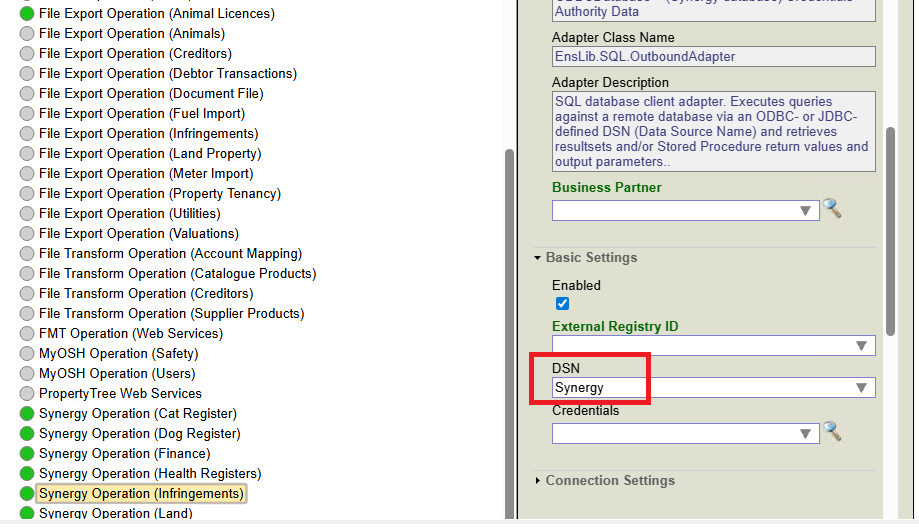
When working with InterSystems Interoperability (Iris / Health Connect / Ensemble), configuration data is often spread across many production items: services, processes, operations, adapters, and their settings.

A common operational or security need is to answer questions like:

9 0
2 73
Article
· Dec 24, 2025 2m read
"The Hidden HTTP Errors" (Behind IIS)

You send an HTTP request and get back an HTTP error but with an HTML error page which you didn't expect... what's happening?... 🤔

Specifically for example, perhaps you tried to READ a FHIR Resource (e.g. /Patient/123) and you get back a 404 error page, even though with other Patient IDs, you get back the Resource payload, so "the page" definitely does exist... why should you be getting a 404 error page? 🙄

6 0
0 70

Here is what is currently used.

..CurrentDateTime("%Y%m%d%H%M%S")

The format is not the issue.

I need to make it our current time as it is five hours ahead.

How can I access the header property of either of these.

Or, if I can't do that, subtract five hours or the equivalent time in seconds.

example, if I receive 20201224161922, how can I make it 20201224111922?

Thanks,

Jonathan

0 3
0 58

InterSystems IRIS is built on an architecture that separates the logical organization of data (namespaces) from its physical storage location (databases). Understanding this separation and the distinction between Namespaces and Databases is crucial for effective data management, security, and especially, high-performance data sharing.

In this article, I will discuss these foundational components and provide a practical guide on leveraging global mappings to share native data structures (globals) across different logical environments.

Databases: Physical Reality

A database represents the physical reality of where the data is stored on the disk. First and foremost, it’s a file in a file system called IRIS.dat (e.g., <Install folder>\mgr\user\IRIS.DAT). The maximum size of this file is 32TB. It is the container for all the actual data and the code. Databases are managed by the IRIS kernel, which handles caching, journaling, and transaction logging at the physical file level.

When you install InterSystems IRIS DBMS, the following databases are installed automatically:

4 0
2 60

InterSystems API Manager (IAM) is a core component of the InterSystems IRIS Data Platform, offering centralized API management with a strong emphasis on security. IAM simplifies the entire API lifecycle, from creation to retirement, and provides a developer portal for easy API discovery and integration. Access control features allow administrators to define precise permissions, and IAM seamlessly integrates with the IRIS Data Platform, enhancing data management and integration capabilities.

Features of IAM include:

3 0
0 52