Introduction

The InterSystems IRIS Data Platform has long been known for its performance, interoperability, and flexibility across programming languages. For years, developers could use IRIS with Python, Java, JavaScript, and .NET — but Go (or Golang) developers were left waiting.

Golang Logo

That wait is finally over.

The new go-irisnative driver brings GoLang support to InterSystems IRIS, implementing the standard database/sql API. This means Go developers can now use familiar database tooling, connection pooling, and query interfaces to build applications powered by IRIS.


Why GoLang Support Matters

GoLang is a language designed for simplicity, concurrency, and performance — ideal for cloud-native and microservices-based architectures. It powers some of the world’s most scalable systems, including Kubernetes, Docker, and Terraform.

Bringing IRIS into the Go ecosystem enables:

  • Lightweight, high-performance services using IRIS as the backend.
  • Native concurrency for parallel query execution or background processing.
  • Seamless integration with containerized and distributed systems.
  • Idiomatic database access through Go’s database/sql interface.

This integration makes IRIS a perfect fit for modern, cloud-ready Go applications.

12 25
0 304
Article
· Feb 13, 2024 3m read
VS Code Related Resources

Following 2 local Webinars we had focused on VS Code ["Intro" and "Beyond Basics"; in Hebrew], I prepared for the participants some related links of relevant resources which we sent as a follow-up. Sharing them here as well for the benefit of the Community.
You are all of course welcome to add more useful resources.

6 2
5 607

Table of Contents

  1. Purpose of the article
  2. What containers are and why they make sense with IRIS
     2.1 Containers and images in a nutshell
     2.2 Why containers are useful for developers
     2.3 Why IRIS works well with Docker
  3. Prerequisites
  4. Installing the InterSystems IRIS image
     4.1 Using Docker Hub
     4.2 Pulling the image
  5. Running the InterSystems IRIS image
     5.1 Starting an IRIS container
     5.2 Checking container status
     5.3 Executing code in the container terminal
     5.4 Accessing the IRIS Management Portal
     5.5 Connecting the container to VS Code
     5.6 Stopping or removing the container
     5.7 Setting a specific password with a bind mount
     5.8 Using durable %SYS volumes
      5.8.1 What gets stored with durable %SYS
      5.8.2 How to enable durable %SYS
  6. Using Docker Compose
     6.1 Docker Compose example
     6.2 Running Docker Compose
  7. Using a Dockerfile to run custom source code
     7.1 Dockerfile example
     7.2 Docker Compose example
     7.3 Understanding layers, image tagging and build vs. run time
     7.4 Source code and init script
     7.5 Building the image with Dockerfile
     7.6 Running instructions in the containerized IRIS terminal
  8. Conclusion and what’s next

14 6
6 269

Technical Documentation — Quarkus IRIS Monitor System

1. Purpose and Scope

This module enables integration between Quarkus-based Java applications and InterSystems IRIS’s native performance monitoring capabilities.
It allows a developer to annotate methods with @PerfmonReport, which triggers IRIS’s ^PERFMON routines automatically around method execution, generating performance reports without manual intervention.

1 1
0 51

A benefit of using Doxygenerate is that Doxygen does more than just HTML output. Tweak the Doxyfile that tells Doxygen what to do and you can easily create a PDF. Our example MARINA application yielded a 524-page PDF. Here's what page 94 looks like:

You can browse the whole file here.

6 1
1 283

Hi folks!

Sometimes, when designing a class method and feeding it with more and more useful features, very soon the number of parameters can reach 10 and even more.

It becomes pretty difficult for users of useful methods to remember the position of the important parameter, and it is very easy to misuse the position and transfer the wrong value to the wrong parameter.

Here is an example of such a method (I asked GPT to create a method with 20 params):

ClassMethod GenerateReportWith20Params(
    pTitle As %String = "",
    pAuthor As %String = "",
    pDate As %String = "",            // e.g. 2025-09-03
    pCompany As %String = "",
    pDepartment As %String = "",
    pVersion As %String = "1.0",
    pFormat As %String = "pdf",       // pdf|html|docx
    pIncludeCharts As %Boolean = 1,
    pIncludeSummary As %Boolean = 1,
    pIncludeAppendix As %Boolean = 0,
    pConfidentiality As %String = "Public",
    pLanguage As %String = "en",
    pReviewers As %String = "",       // CSV, e.g. "Alice,Bob"
    pApprover As %String = "",
    pLogoPath As %String = "",
    pWatermarkText As %String = "",
    pColorScheme As %String = "default",
    pPageSize As %String = "A4",
    pOrientation As %String = "Portrait",
    pOutputPath As %String = "report.pdf"
) As %Status
{

// implementation
}

3 0
1 73

Hi developers!

Observing the avalanche of AI-driven and vibe-coding developer tools that have been appearing lately almost every month with more and more exciting dev features, I was puzzled whether it is possible to leverage it with InterSystems IRIS. At least to build a frontend. And the answer - yes! At least with the approach I followed.

Here is my recipe to prompt the UI vs InterSystems IRIS Backend:

  1. Have the REST API on the IRIS side, which reflects some Open API (swagger) spec.
  2. Generate the UI with any vibe-coding tool (e.g., Lovable) and point the UI to the REST API endpoint.
  3. Profit!

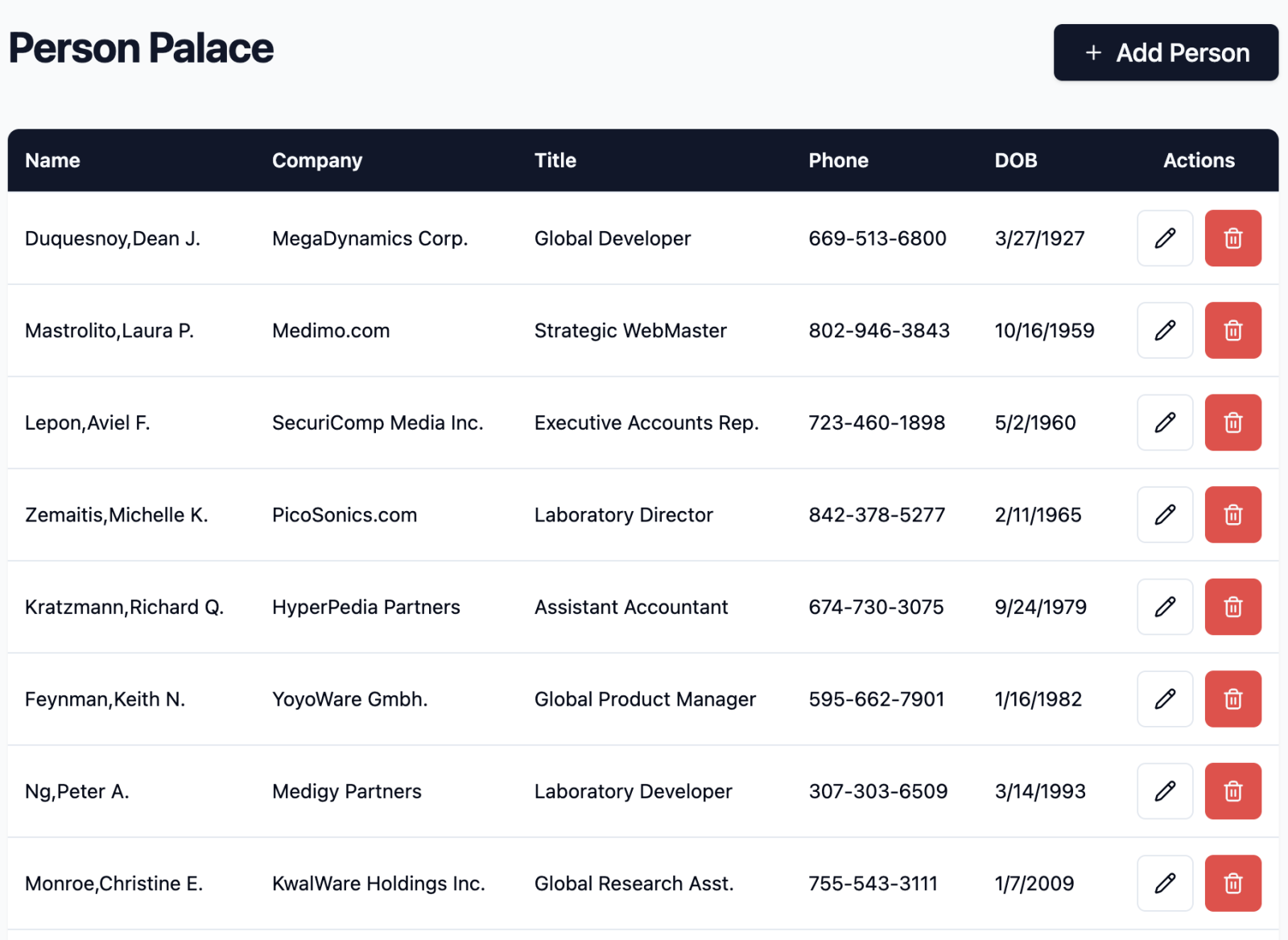
Here is the result of my own exercise - a 100% prompted UI vs IRIS REST API that allows to list, create, update delete entries of a persistent class (Open Exchange, frontend source, video):
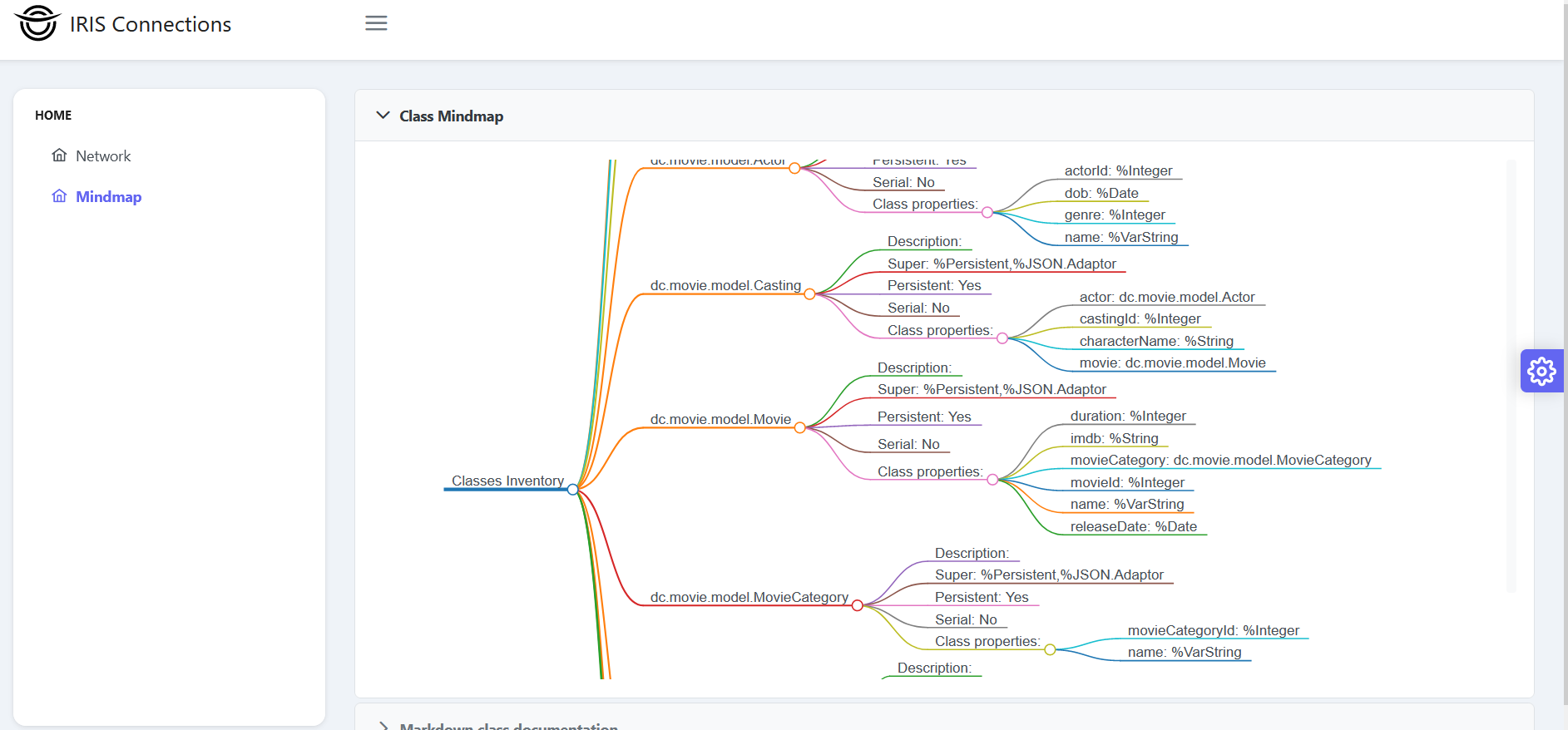
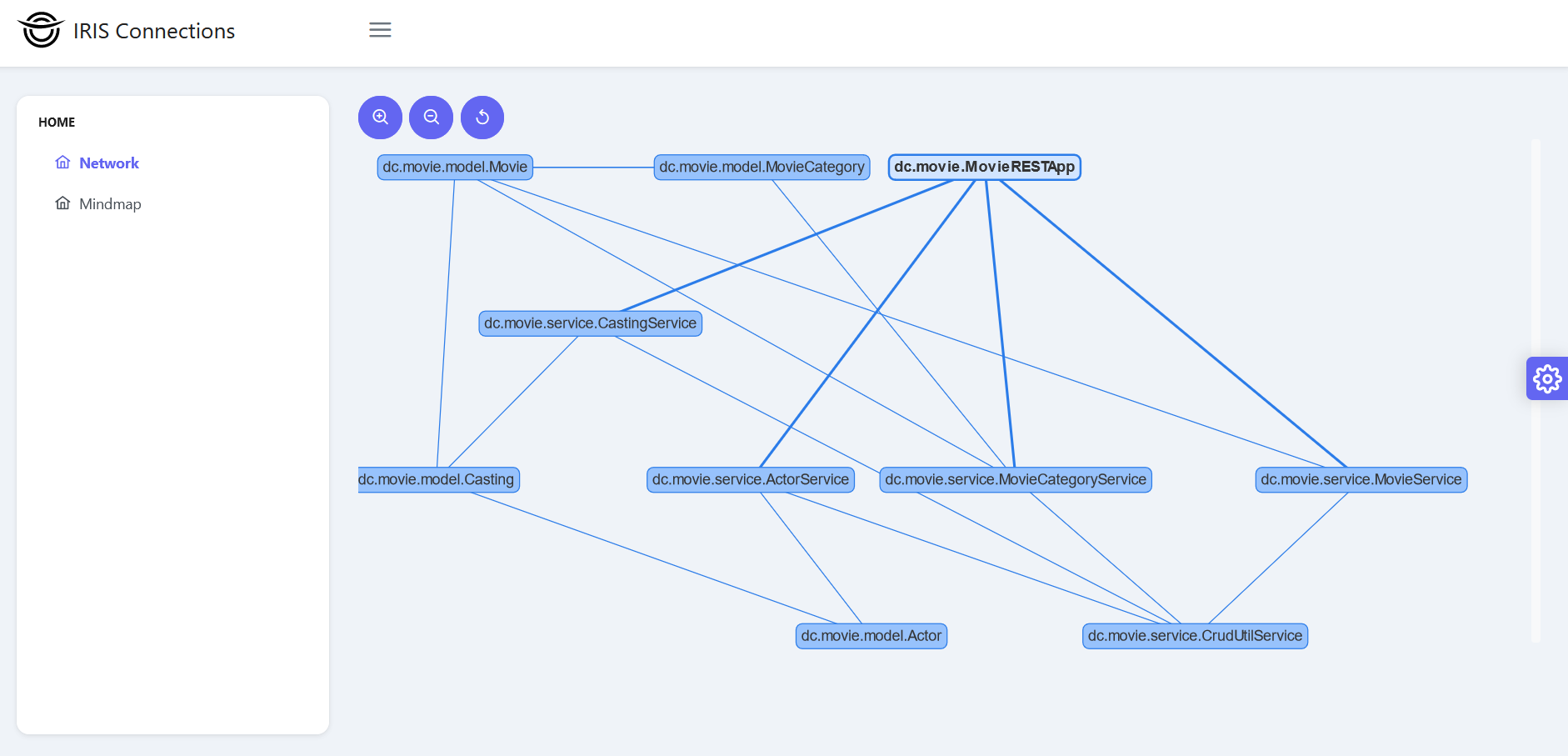
What is the recipe in detail?

7 5
1 227

IRIS supports CCDA and FHIR transformations out-of-the-box, yet the ability to access and view those features requires considerable setup time and product knowledge. The IRIS Interop DevTools application was designed to bridge that gap, allowing implementers to immediately jump in and view the built-in transformation capabilities of the product.

In addition to the IRIS XML, XPath, and CCDA Transformation environment, the Interop DevTools package now provides:

3 0
1 114

Have you ever been editing files in VS Code, but needed to check a global value or run a few ObjectScript commands? Now you can, with no setup required! If you have vscode-objectscript extension version 2.10.0 or later and are connected to InterSystems IRIS 2023.2 or later, you can now open a terminal connection to your server, regardless of where it's located.

There are three ways to open this new terminal:

21 7
11 1.8K

Hi colleagues!

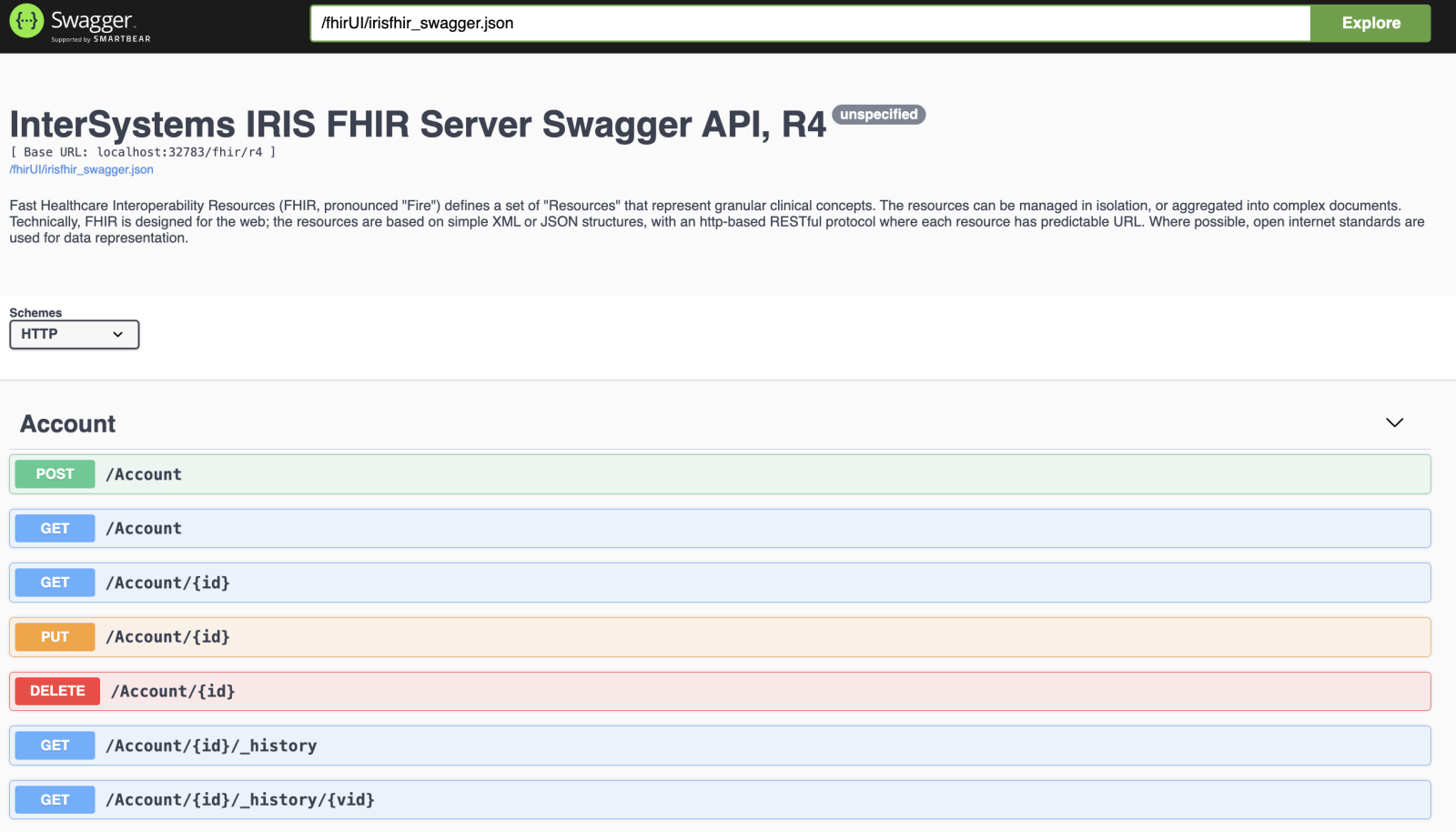
Often, while developing a frontend app or any other communication vs REST API, it is worth having a Swagger UI - a test UI for the REST API that follows Open API 2.0 spec. Usually, it is quite a handful as it lets have quick manual tests vs REST API and its responses and the data inside.

Recently I've introduced the Swagger support to the InterSystems IRIS FHIR template for FHIR R4 API:

How to get it working.

11 0
3 299

In this article I'll show you how to set up in your laptop, very quickly, a cluster of IRIS nodes in sharding. It's not the goal of this article neither to talk about sharding in detail nor define a deployment of a production ready architecture, but to show how to set up quickly, in your own machine, a cluster of IRIS instances configured as shard nodes, with which you'll able to play and test this functionality. If you're insterested in knowing more about sharding in IRIS, take a look at the documentation clicking here.

First and foremost, I want to remark that IRIS sharding will allow us 2 things:

  • Define, load and query shard tables, which data will be distributed transparently between the cluster's nodes
  • Define federated tables, which offer a global and composed view of data belonging to different tables that will be physically stored in different distributed nodes

So, as I said, we let for other article playing with shard or federated tables, and just focus now in the previous step, that is, setting up the cluster of shard nodes.

9 1
3 220

InterSystems IRIS provides a complete application development environment for building sophisticated data- and analytics-intensive applications that connect data and application silos. It is designed to work with all of the common development technologies in an open, standards-based fashion and supports both server-side and client-side programming.

6 1
1 472

It has been asked a few times recently, how one can make Laravel Framework work with InterSystems IRIS Data Platform. It's been a while since this post about Laravel and InterSystems Caché was published. To bring it up to date, the article gives a brief instruction set on how to setup and configure a Laravel project for use with InterSystems IRIS through ODBC.

What is Laravel?

10 5
2 1.3K

Hi folks!

Often, when we develop commercial solutions, there is a necessity to deploy solutions without source code, e.g., in order to preserve the IP.

One of the ways how this can be achieved is to use InterSystems Package Manager.

Here I asked Midjourney to paint an intellectual property of software:

How this can be achieved with IPM?

In fact, this is very simple; just add the Deploy="true" clause in the Resource element in your module.xml manifest. Documentation.

I decided to provide the simplest possible example to illustrate how it works and also to give you a development environment template to let start building and deploying your own modules without source code. He we go!

5 2
2 402
Article
· Sep 25, 2024 1m read
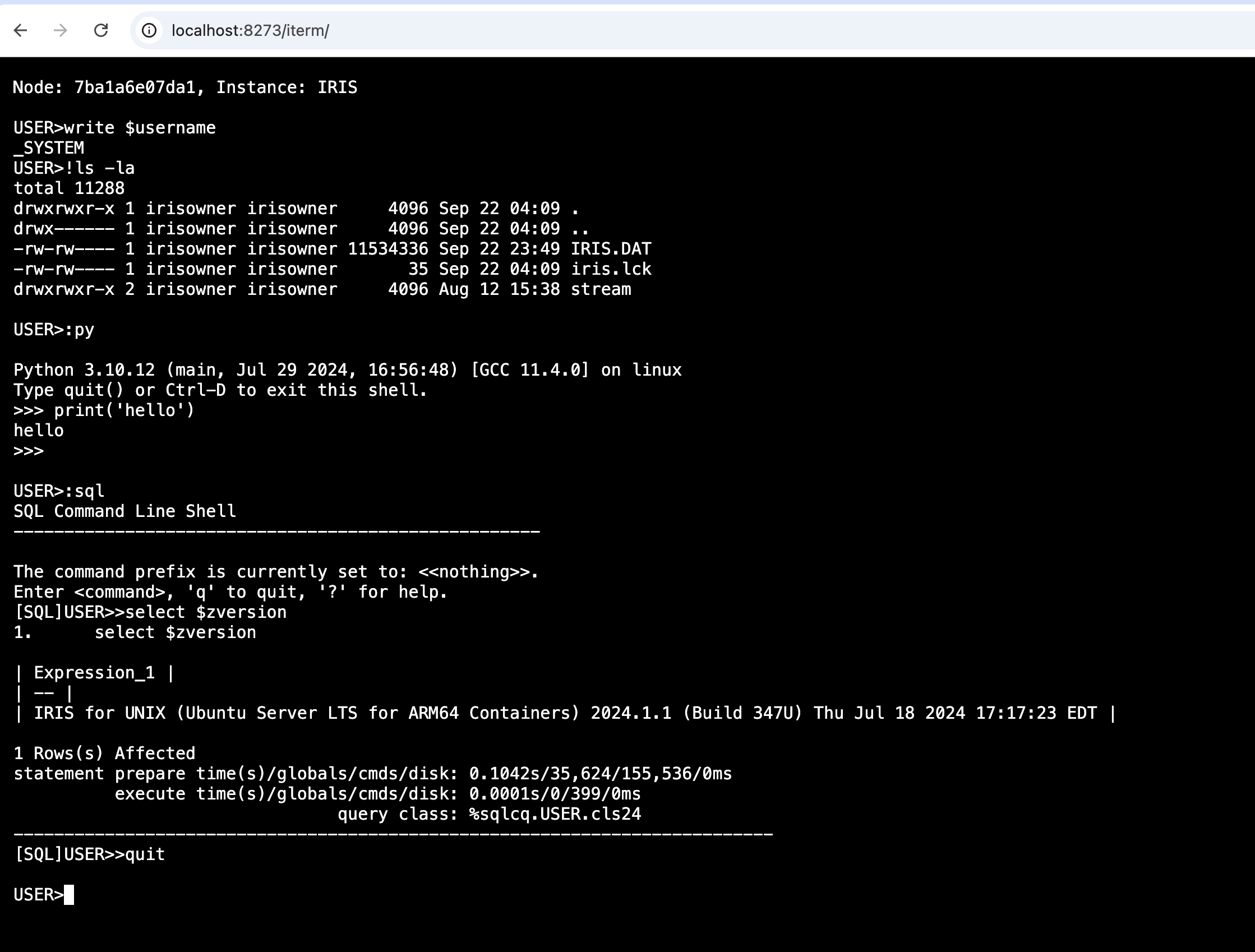
Same old terminal but in web

We have Webterminal around for quite a while, but it was limited, not all features worked there. There was no shell support or the latest feature as embedded Python support. There are some issues with tools that require programmer mode. Basic Authorization, not as handy as simple login page, where you could have options to add own login page, in case if you would wish to change the way how to login to the application, such as using SSO.

With the original iris terminal, wrapped into a web form, using most used in the web world xterm.js, used in tools like VSCode as well, with some magic from Python, which helped with interprocess tty. We can get the the terminal in the web, in the full capacity.

iTerm

21 38
6 730

Hi everyone,

In this article, I’m excited to introduce CodeInspector, a tool designed to simplify code validation by applying custom rules tailored to your development requirements. Whether you're managing a large codebase or working in an agile environment, CodeInspector helps ensure code quality by offering flexibility and adaptability to specific project needs.

4 3
0 211
Article
· Dec 3, 2021 1m read
VSCode-ObjectScript on GitHub

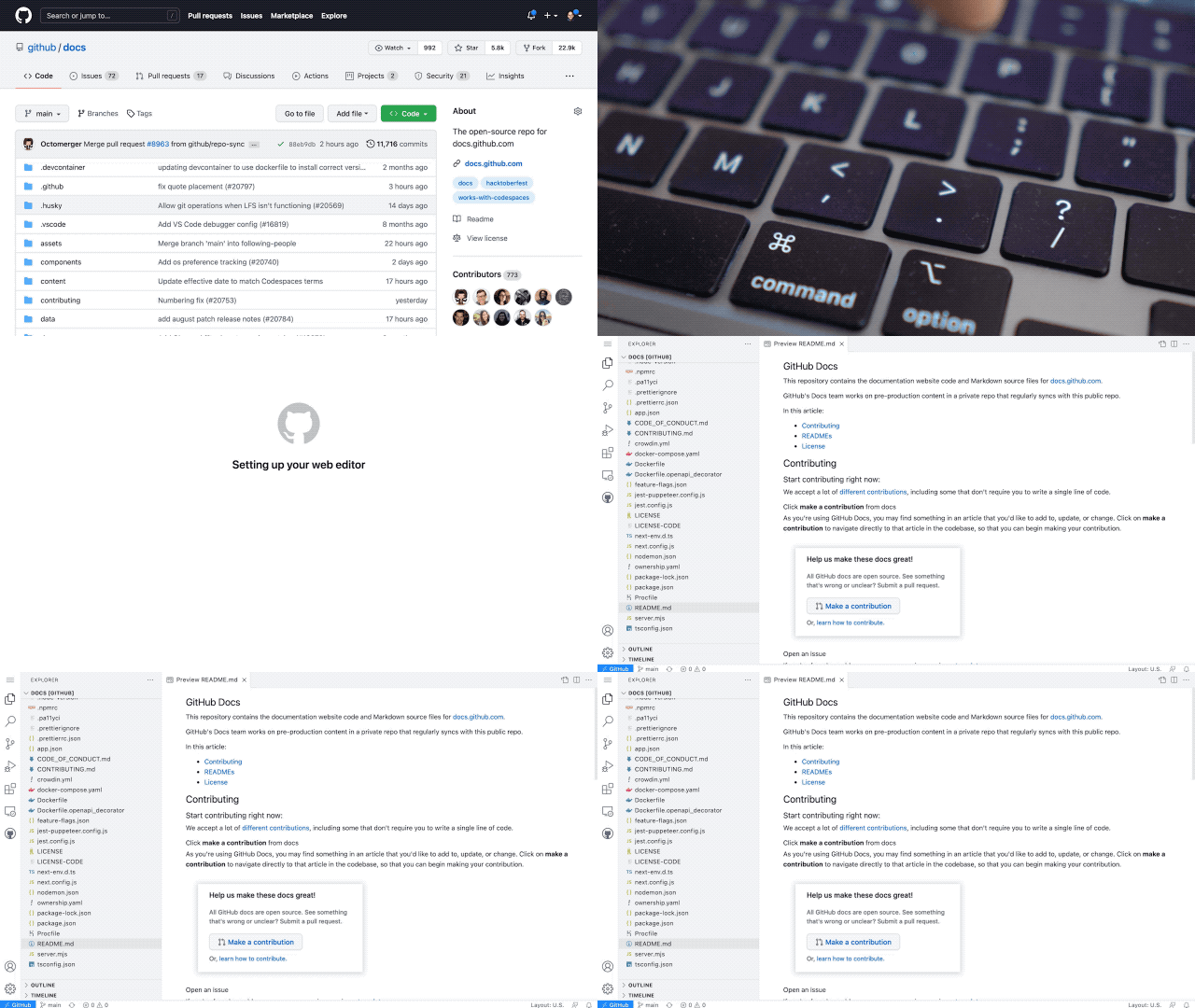
Not so while ago GitHub introduced, ability to very quickly run VSCode in the browser for any repository hosted there. Press the . key on any repository or pull request, or swap .com with .dev in the URL, to go directly to a VS Code environment in your browser.

github dev

This VSCode is a light version of the Desktop version but works entirely in Browser. And due to this, it has a limitation for extensions which was allowed to work this way. And let me introduce the new version 1.2.1 of VSCode-ObjectScript extension which now supports running in Browser mode.

22 6
3 1.3K

An effective source control solution allows organizations to manage complex codebases, facilitate seamless collaboration within development teams, and streamline deployment processes.

Sonic Healthcare, a leading provider of pathology, radiology, general practice, and corporate medical services, has significantly enhanced visibility and control over its complex environment by implementing Deltanji source control. The tight integration Deltanji provides with InterSystems IRIS and IRIS for Health has been central in achieving these improvements.

0 0
0 240

Hi Devs!

Recently I was impressed by @Daniel.Pasco's article where he shares also how he uses terminal aliases.

Terminal aliases is a very powerful tool for developers and sys admins if you often need to call some cumbersome terminal expressions and make it shorter and cleaner. Here is the documentation.
Yes!

But what about Docker environments? What if you are fan of Docker dev environments but also want to keep using your favorite aliases with Docker as well?

Turned out it is very possible.

1 12
0 358

While starting the development with IRIS we have a distribution kit or in case of Docker we are pulling the docker image and then often we need to initialize it and setup the development environment. We might need to create databases, namespaces, turn on/off some services, create resources. We often need to import code and data into IRIS instance and run some custom code to init the solution.

And there plenty of templates on Open Exchange where we suggest how to init REST, Interoperability, Analytics, Fullstack and many other templates with ObjectScript. What if we want to use only Python to setup the development environment for Embedded Python project with IRIS?

So, the recent release of Embedded Python template is the pure python boilerplate that could be a starting point for developers that build python projects with no need to use and learn ObjectScript. This article expresses how this template could be used to initialize IRIS. Here we go!

6 1
2 754

When you use VS Code to edit source code, the settings model allows you to specify folder-specific values for some settings by using a settings.json file located in a .vscode sub-folder of the workspace root folder. A value set here takes precedence over one from your personal settings when you are working within that workspace root folder.

5 1
1 488

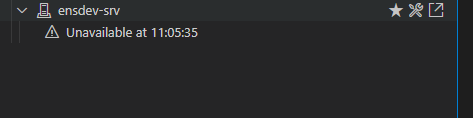
Are you preparing to use VS code for the first time? Just make sure you have enough privileges.

Have you defined your Iris server in your VS Code settings, and still get the following error?

VS Code accesses Iris/HealthConnect using the web application /api/atelier. If you do not have permission (i.e. you are using an LDAP user to connect and the web application is not configured to support LDAP), this is the reason why you couldn't connect.

7 3
2 525

NOTE: This content was originally presented at the InterSystems Global Summit in 2014, however related topics often come up on the Developer Community so I have decided to turn this into an article for easier reference and discussion. However, much of the content was pulled directly from the presentation slides so the article format resembles that of a PPT deck more than paragraphs.

8 1
4 1.1K

Are you all ready for something you wish you knew ages ago (or, in my case, a DECADE ago)? Open up a portal in your favorite instance and go to:

System Administration->Configuration->Additional Settings->Startup

Scroll down to "Terminal Prompt" and click 'Edit'. This allows you to edit what you see on your terminal prompt. You can change that to my current setting: 8,3,2

What does this do? It adds your instance name for your prompt. So now your prompt can look like:

DEVELOPMENT:USER>

13 12
2 1.3K